The Aloha Garden Network
Growing Food, Building Sovereignty. Restoring Relationship with the Land.
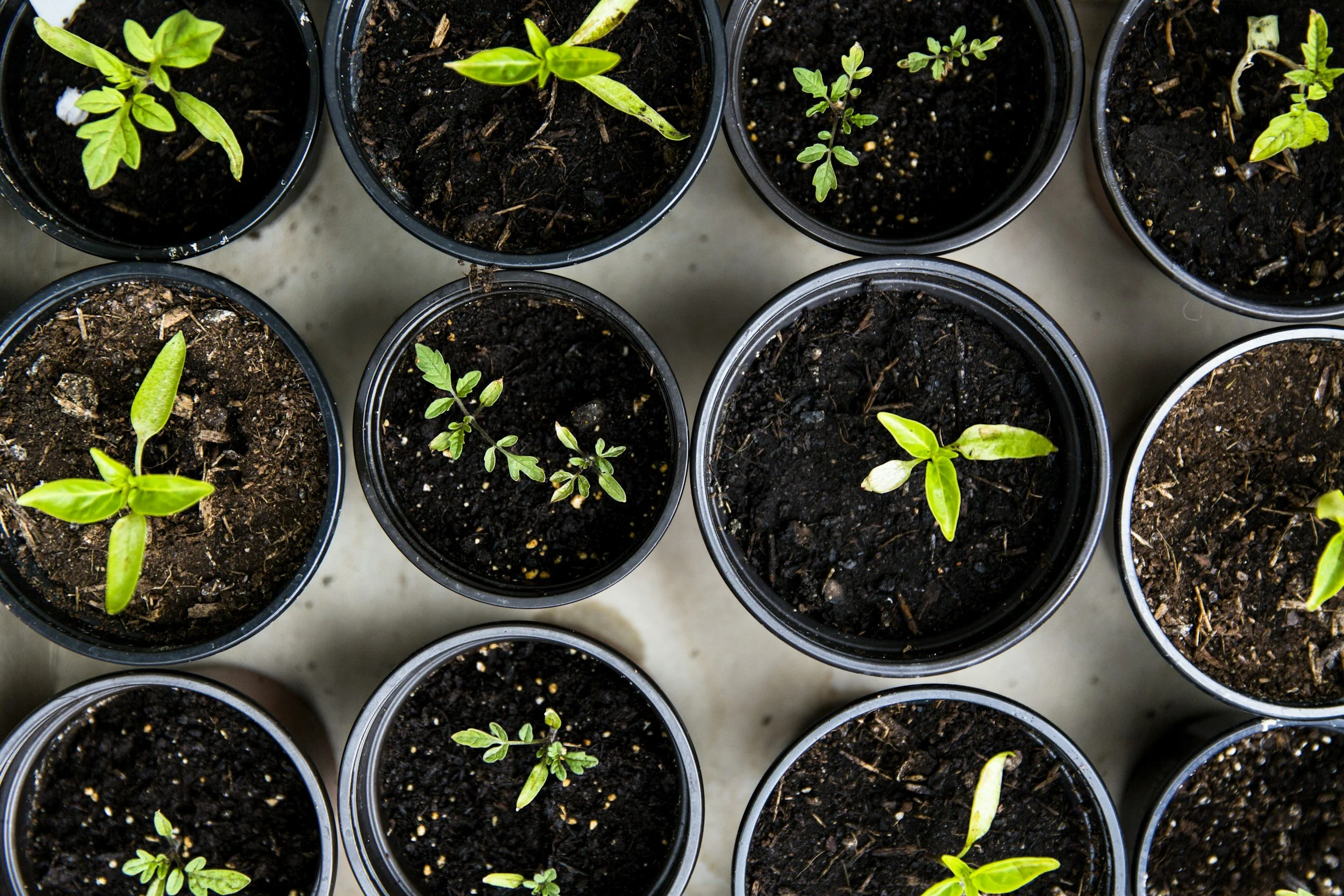
The Aloha Garden Network (TAGN) is a rapid-deployment, care-centered initiative focused on building productive food gardens for families and community partners.
Our work is simple and urgent: get food growing, support the people tending it, and do so with respect for the land.
TAGN is grounded in Aloha ‘Āina - caring for and honoring the land, those who were here before us, and those who will come after.
What TAGN Does?
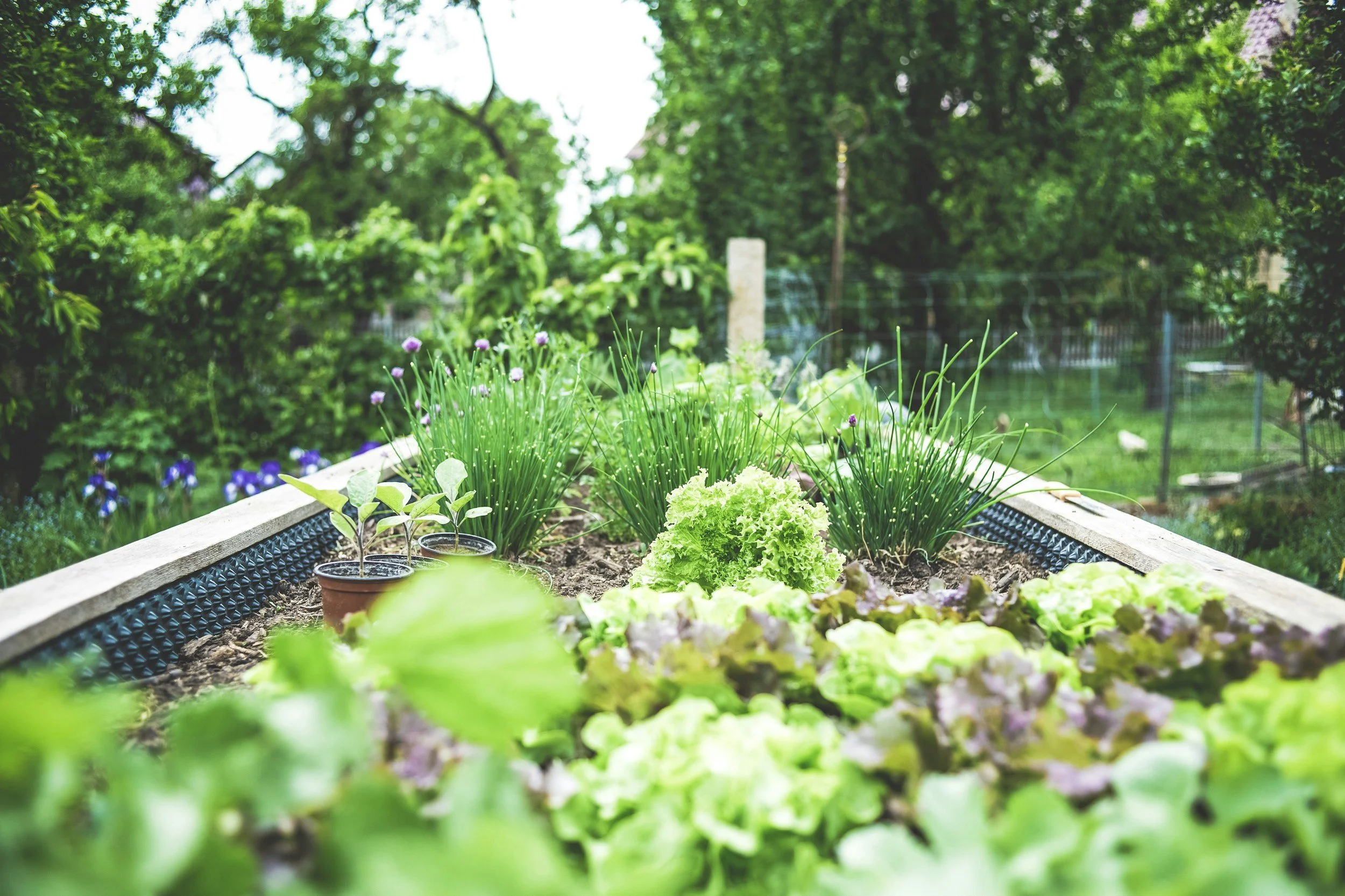
TAGN designs and installs sustainably built, bio-intensive food gardens that are climate-appropriate, with an emphasis on care and long-term success.
Each garden is:
Designed for productivity and resilience
Site-specific and culturally appropriate
Matched to the household’s capacity and environment
We focus on getting food growing as efficiently as possible, while laying a foundation that can be sustained over time.
Our Approach
TAGN is guided by a few core principles:
Aloha ‘Āina
We care for the land with respect, responsibility, and humility.
Rapid, Care-Centered Deployment
We move quickly because people need food now, and carefully because healthy systems require intention.
Practical Support Over Perfection
Gardens are designed to work in real lives, not ideal conditions.
Dignity and Agency
This work is about empowerment, not dependency.
Why Gardens?
Food insecurity is here now.
Rising food prices, unstable systems, and ecological stress mean families need practical ways to feed themselves and regain a sense of stability.
Gardens offer:
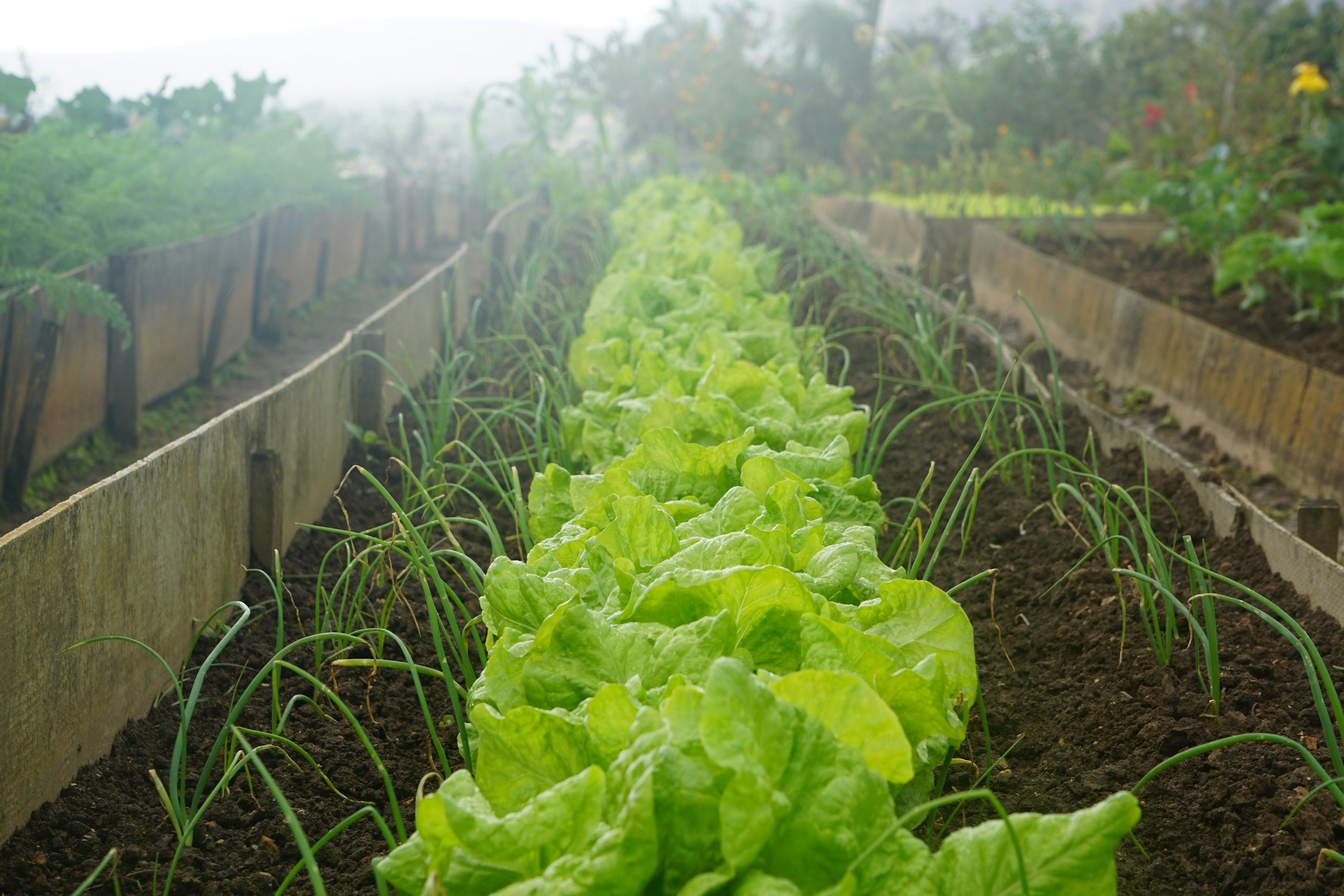
Immediate access to fresh food
A tangible sense of agency and safety
A steady, grounding relationship with the land.
A well-designed garden feeds more than the body. It restores confidence, rhythm, and connection.
Support + Education
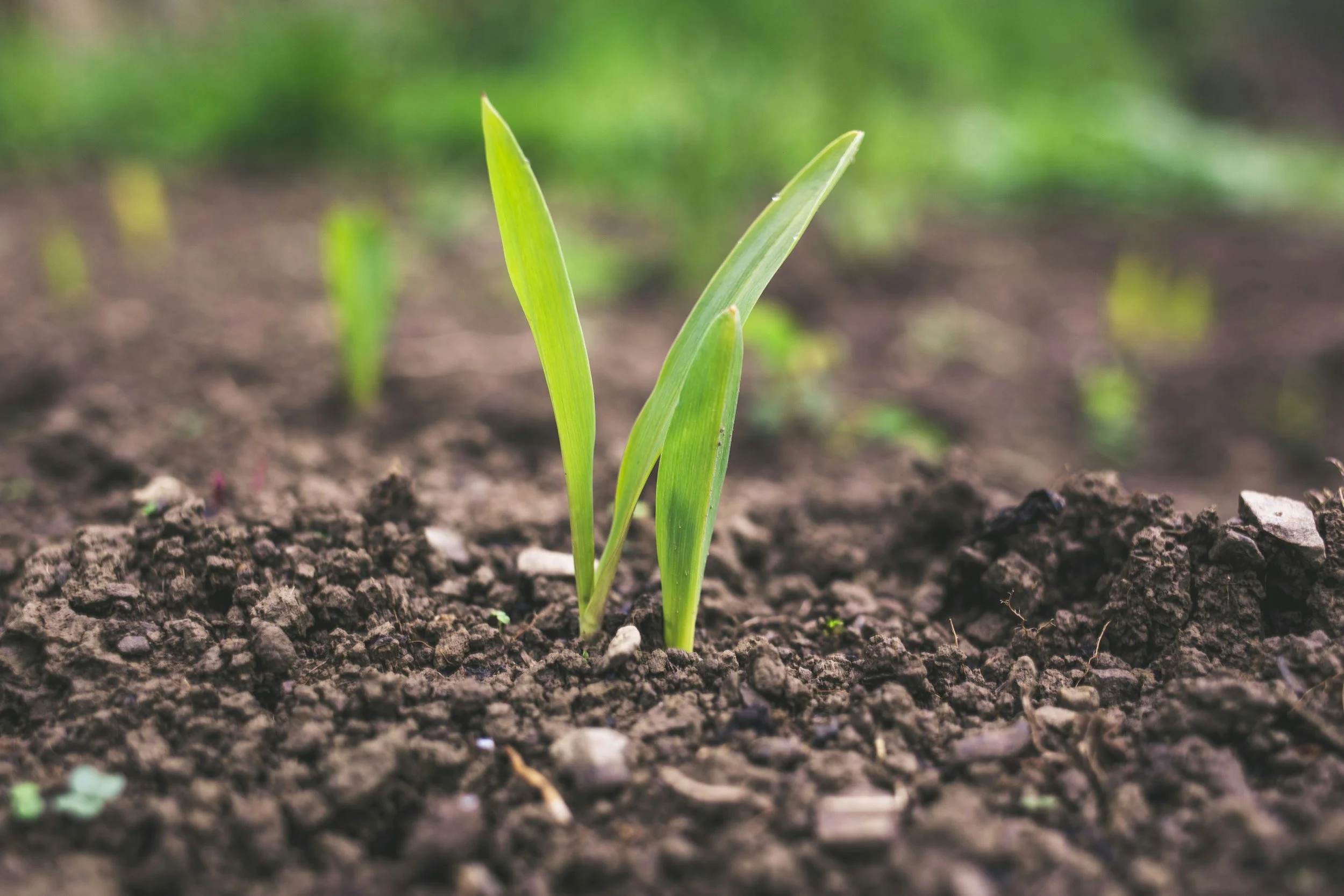
Garden recipients receive hands-on support and practical education to ensure their gardens thrive.
This includes:
Guidance during and after installation
Support with planting, harvesting, and seasonal transitions
Basic soil care and garden maintenance knowledge
Education within TAGN is applied, relational, and directly tied to the success of each garden. The goal is not complexity, but confidence - ensuring families feel capable and supported as their gardens grow.
Experience & Collaboration
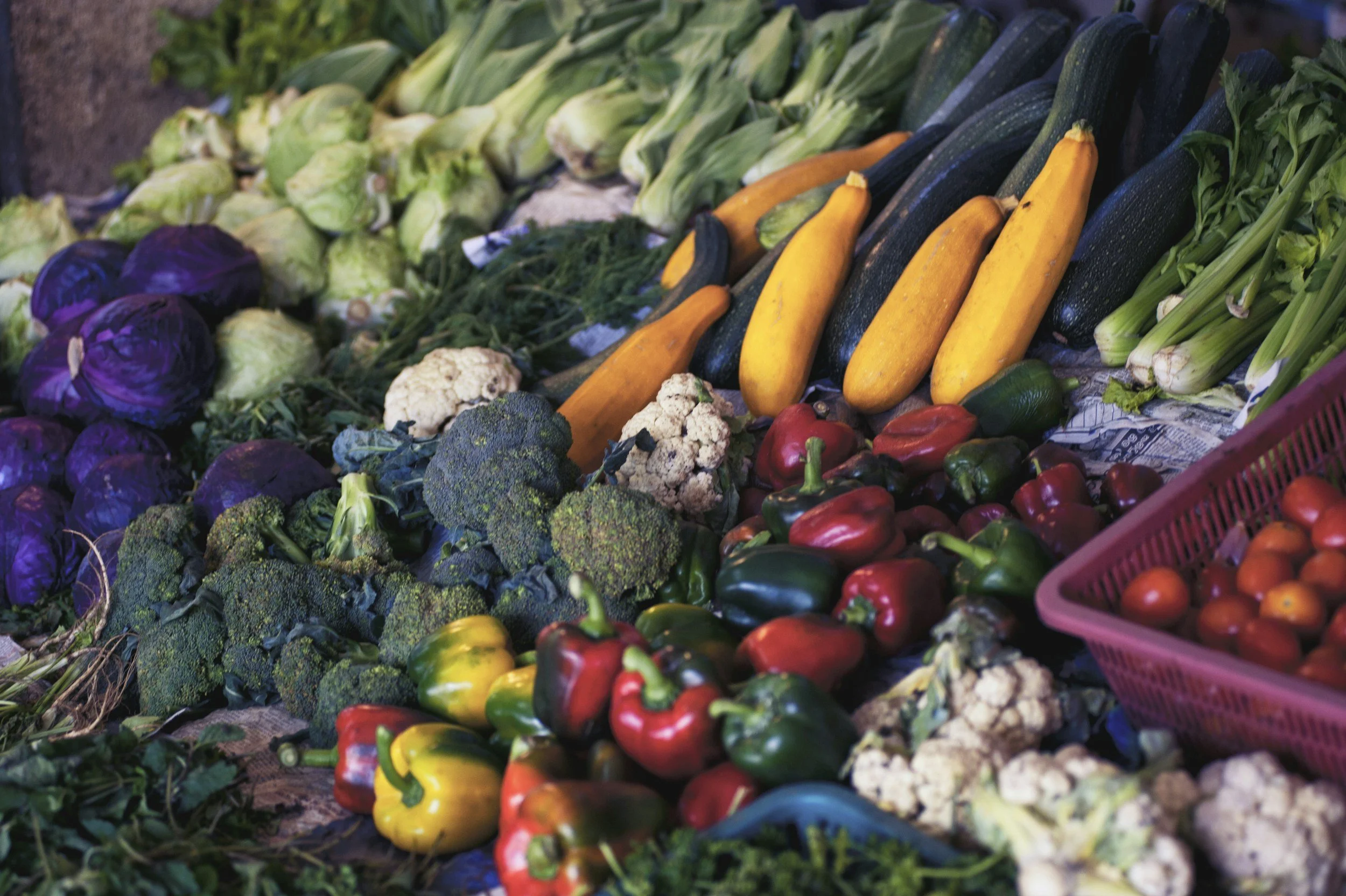
TAGN is strengthened through collaboration with experienced garden designers and builders, including professional bio-intensive garden architect, designers, and builders.
This expertise supports TAGN’s commitment to building gardens that are both highly productive and realistically maintainable for people using them.
How Gardens Are Provided
TAGN builds gardens through both sponsored (free) and paid installations, depending on household circumstances and funding availability.
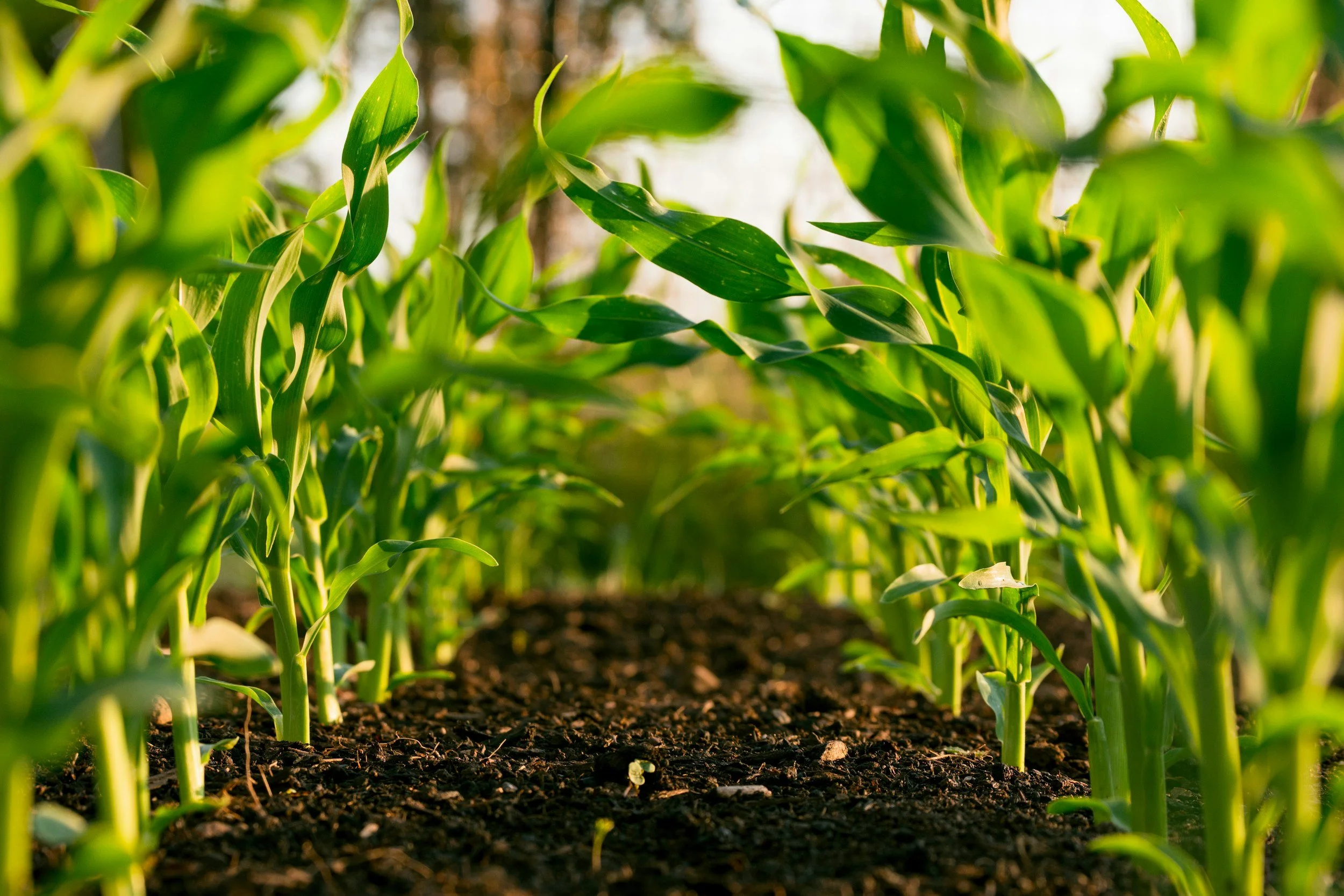
TAGN also offers paid garden installations for households and partners who are able to financially support their build.
Paid gardens:
Help sustain the program long-term
Allow TAGN to fund additional free gardens
Support fair compensation for builders and materials
This model allows TAGN garden includes:
Thoughtful, climate-appropriate design
High-yield, productive food systems
Care-centered installation
Ongoing support and practical education to ensure success
TAGN does not distinguish between “free” and “paid” in quality or care. Every garden is built to feed people well and last over time. Learn More>>>
Sponsored (Free) Gardens
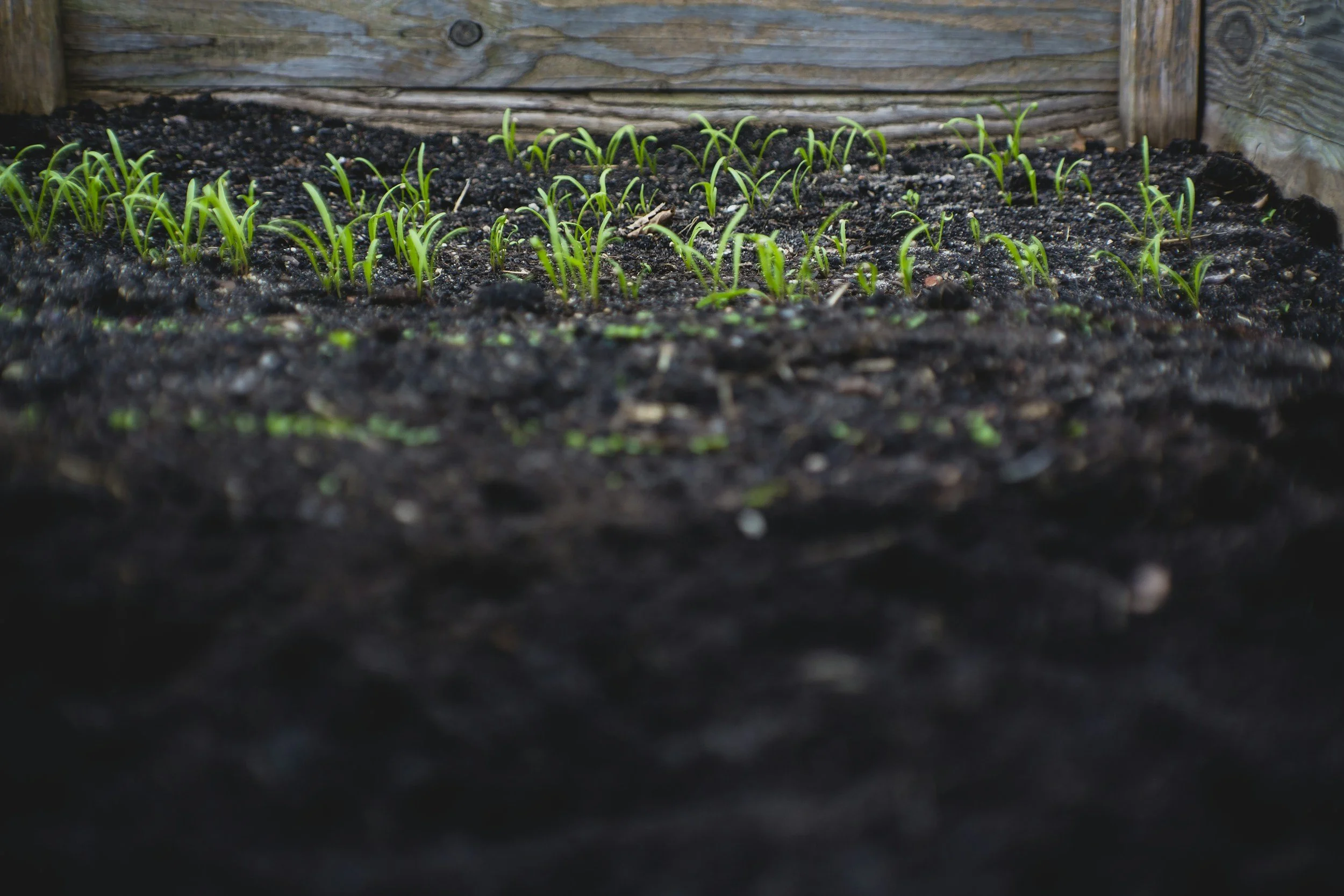
A portion of TAGN gardens are fully funded through donations, grants, and community sponsorships.
These gardens are prioritized for:
Families experiencing food insecurity
Households impacted by rising food costs or instability
Community partners serving vulnerable populations
Sponsored gardens ensure that access to fresh food and land-based resilience is not limited by income.
Donate/Share Our GoFundMe
What We’re Raising Funds For
Completing our pilot garden demonstration garden
Installing the first round of free food gardens for local families
Finalizing a custom education track for TAGN builders and crew
Building partnerships with civic organizations, schools, and funders
Preparing for expanded builds and youth involvement in 2027
Get Involved with The Aloha Garden Network
For Families
Interested in receiving a food garden?
TAGN maintains a garden interest list for families seeking support as capacity and funding allow.
For Partners + Funders
Interested in partnering with or supporting TAGN?
We work with organizations, funders, and community partners aligned with food access, healing, and land-based resilience. .
For Custom Garden Clients
Looking for a paid, custom food garden installation?
We offer premium, custom, food garden installations for homeowners and land stewards. Paid projects help subsidize free and low-cost gardens through TAGN.
For Volunteers
Want to support garden builds or program development?
Volunteers help make TAGN’s work possible through hands-on support and community care.
For Donors
Want to support TAGN’s mission financially?
Donations help fund materials, labor, and free gardens for families who need them.
Contact Us
This form helps us understand how you’re interested in TAGN. Whether you’re seeking a garden, exploring partnership, interested in volunteering, or learning more about the work, this is the best place to start.
Frequently Asked Questions
-
TAGN includes a mix of free, low-cost, and paid garden projects. Paid garden installations help subsidize free and low-cost gardens for families who need them. Availability depends on funding, capacity, and timing.
-
No. TAGN’s free gardens are prioritized for households with children and/or elders who are experiencing financial strain or food insecurity, but we don’t require you to “prove” hardship.
Instead, we use a short honor-based request form and prioritize based on a few factors (like household size, current food access, and readiness to participate). If you’re unsure, apply anyway.
-
No. TAGN gardens are designed to be accessible and supportive for people at many experience levels. Education and guidance are part of our approach.
-
TAGN maintains a garden interest list rather than a formal application. If you’re interested in receiving a garden, you can share your interest through the TAGN contact form and we’ll follow up.
-
TAGN currently serves specific local communities and is growing slowly and intentionally. Location and capacity help determine what’s possible at any given time.
-
When we say trauma-informed, we’re referring to how we approach people and the work - not diagnosing or treating trauma.
Trauma-informed gardens are designed and built with care for safety, agency, and dignity. This means we move at a human pace, communicate clearly, respect boundaries, and design gardens that feel manageable and supportive rather than overwhelming. We recognize that many people carry stress, loss, or past harm, and we aim to create garden spaces - and working relationships - that are stabilizing, respectful, and empowering.
The garden itself becomes a place of nourishment and steadiness, not pressure or performance.
-
TAGN is a secular, community-based program of Rainbow Bridge Church and operates through a values-driven model that includes community support, donations, and paid services. This structure allows the work to be sustainable while centering access and dignity.
-
Yes. People support TAGN in many ways, including volunteering, partnership, and donations. The TAGN page outlines different ways to get involved.